

1. Identify Their Interests
Children become more engaged when learning connects to something they enjoy.
- Observe what they like—sports, games, drawing, music, technology, storytelling.
- Incorporate those interests into learning tasks. For example, a math problem could use football statistics if the child loves sports.
2. Use Hands-On Learning
Kinesthetic activities help children who struggle with abstract concepts:
- Science experiments instead of just reading about them.
- Building models, puzzles, or interactive games for problem-solving.
- Field trips and practical tasks (gardening, cooking, simple DIY) to teach concepts.
3. Break Tasks into Smaller Steps
Large tasks can overwhelm children who are less confident:
- Divide lessons into manageable portions.
- Celebrate small successes to build confidence.
- Use visual schedules or checklists to track progress.
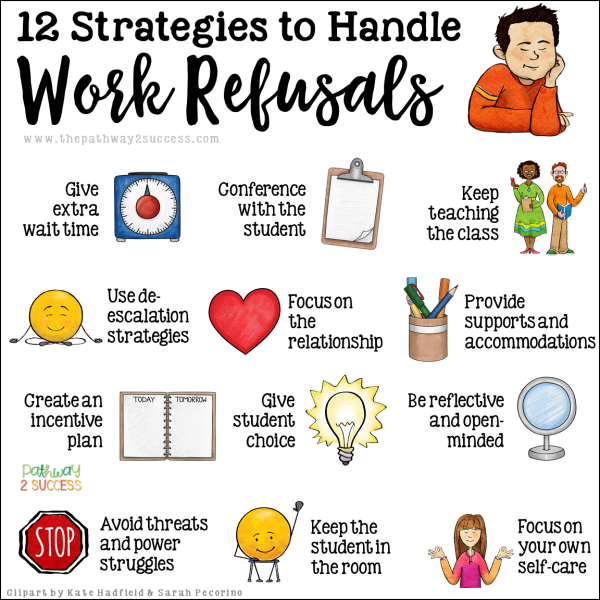
4. Encourage Participation Gradually
Some children are shy or afraid of failure:
- Ask simple, low-pressure questions first.
- Praise effort, not only correct answers.
- Slowly increase participation with group work or peer discussions.
5. Make Learning Fun
Gamification increases motivation:
- Use quizzes, flashcards, or board games.
- Reward milestones with small incentives (stickers, points, extra playtime).
- Use educational apps with interactive lessons.
6. Build Confidence Through Praise
Positive reinforcement encourages active behavior:
- Focus on effort, curiosity, and participation.
- Avoid labels like “dumb” or “slow”—they damage self-esteem.
- Highlight their strengths regularly.

7. Set Realistic Goals
Children need achievable targets:
- Short-term goals like completing one assignment or answering two questions correctly.
- Long-term goals can be learning a skill, reading a book, or mastering a topic.
8. Provide One-on-One Support
Struggling learners often benefit from extra attention:
- Offer tutoring or mentorship for difficult subjects.
- Sit with them during tasks and provide guidance without giving answers directly.
- Encourage peer support through study buddies.
9. Encourage Questions and Curiosity
Active learners ask questions:
- Reward curiosity and exploration.
- Use “think-aloud” techniques to show how to approach problems.
- Avoid punishing mistakes—teach that errors are part of learning.
10. Maintain a Healthy Routine
Physical and mental well-being affects activity and focus:
- Ensure adequate sleep, nutrition, and exercise.
- Limit screen time and balance with active play.
- Incorporate brain breaks during study sessions.
11. Use Visuals and Storytelling
Many children respond better to visual or narrative methods:
- Diagrams, charts, videos, and illustrations help explain complex concepts.
- Turn lessons into stories, role-plays, or scenarios they can relate to.
12. Foster a Growth Mindset
Teach them that intelligence is not fixed:
- Use phrases like “You can improve with practice” instead of “You’re not good at this.”
- Share examples of people who succeeded after struggling.
13. Create a Positive Learning Environment
The setting impacts motivation:
- Reduce distractions during study time.
- Ensure a comfortable, well-lit workspace.
- Celebrate progress publicly or with family support.

14. Involve Parents and Caregivers
Consistency is key:
- Parents can encourage learning at home with reading time, educational games, or simple tasks.
- Praise the child for trying rather than only for success.
- Stay in touch with teachers to monitor progress.
15. Incorporate Technology Wisely
Some children engage more with interactive digital content:
- Educational apps for math, reading, or science.
- Online videos for visual explanations.
- Gamified platforms like Kahoot, Quizlet, or BrainPOP.
Do you want me to create that?