

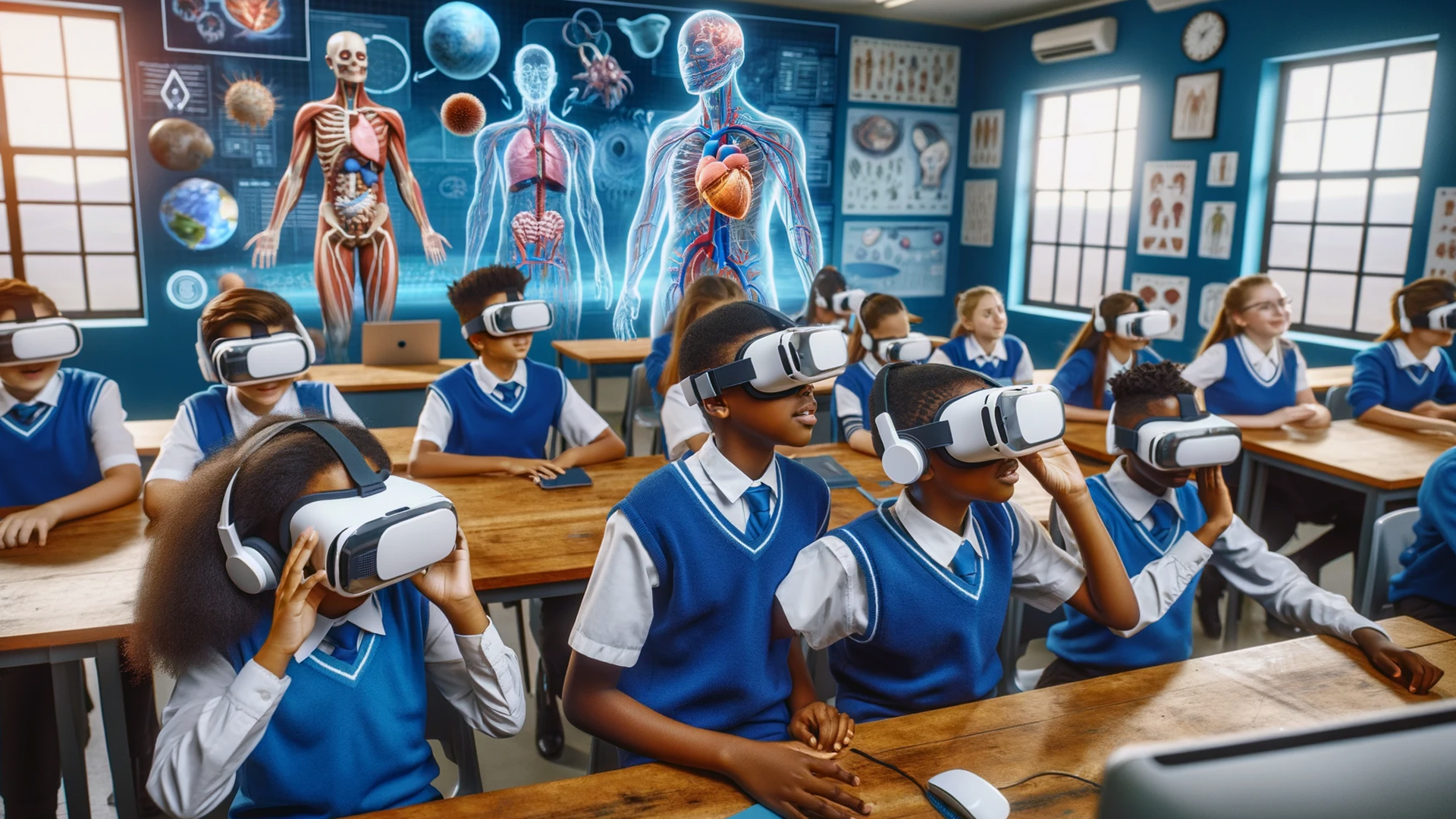
Introduction: The New Age of Learning Through Play
Education is evolving faster than ever. Traditional classrooms—once limited to textbooks, chalkboards, and static lectures—are now being reimagined with gamification and immersive technologies like Virtual Reality (VR) and Augmented Reality (AR).
Today’s learners crave interaction, challenge, and relevance, and educators are responding by turning lessons into adventures. Instead of simply memorizing facts, students explore virtual worlds, earn digital badges, and complete missions that make learning both fun and deeply meaningful.
This article explores how gamification and immersive learning are transforming education, why they’re effective, the technologies driving them, and how schools can implement these innovations successfully.
1. What Is Gamification and Immersive Learning?
Gamification Defined
Gamification is the use of game design elements in non-game contexts, like education, to boost motivation and engagement.
It transforms routine learning activities into experiences where students earn points, badges, and rewards, compete in challenges, and track progress in real-time.
Examples of gamification in education:
- Duolingo’s streaks and XP system for learning languages.
- Kahoot!’s quiz competitions that turn tests into games.
- ClassDojo’s point system for positive classroom behavior.
Immersive Learning Defined
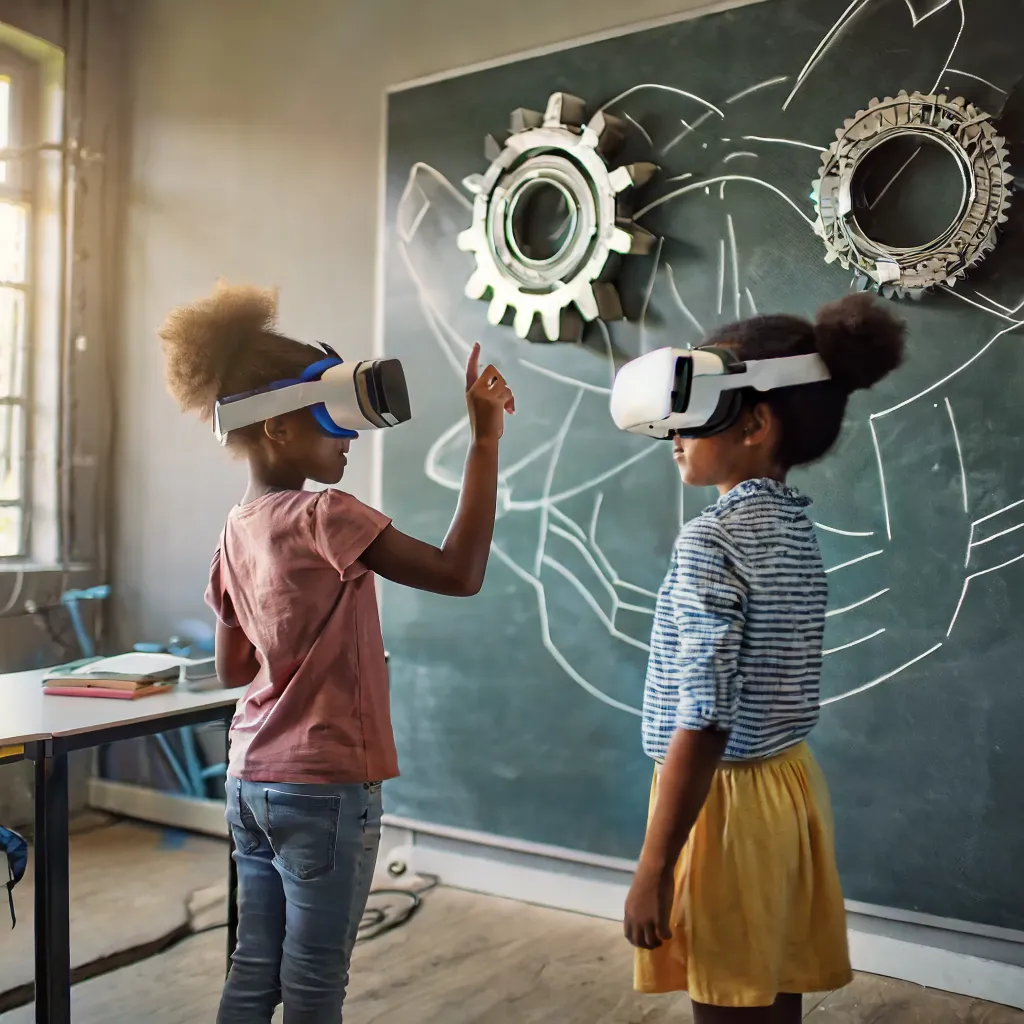
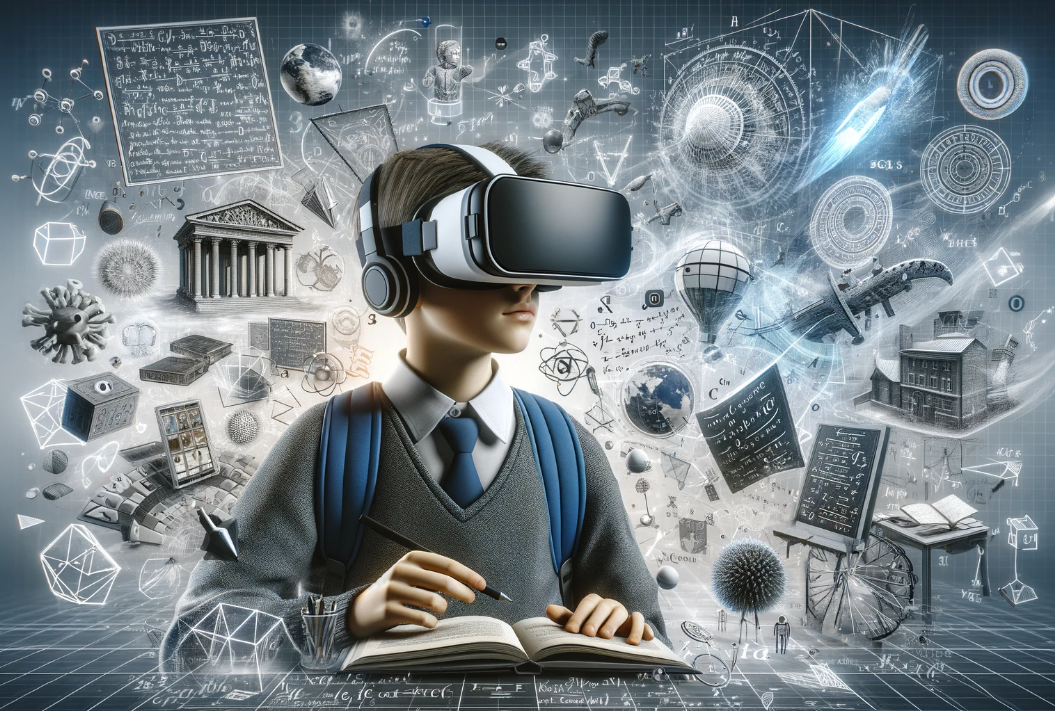
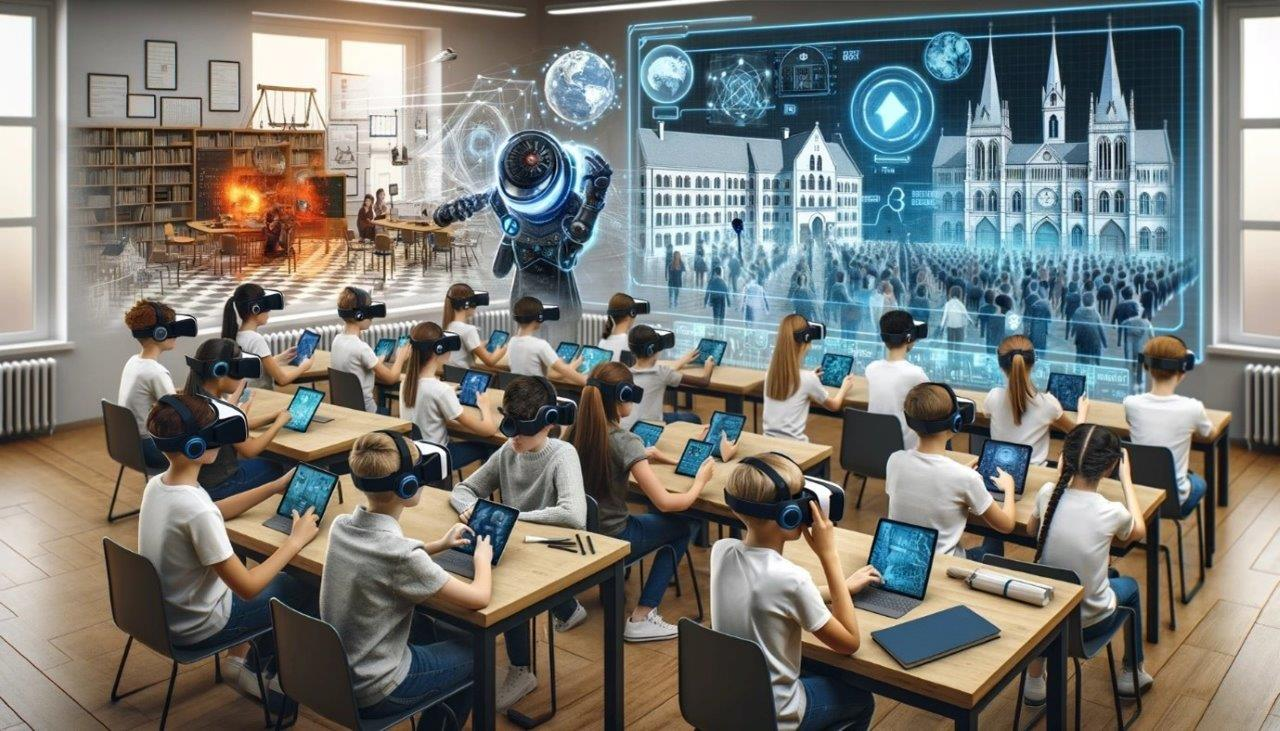
Immersive learning uses VR, AR, or mixed reality (MR) technologies to create interactive, 3D environments that simulate real-world experiences.
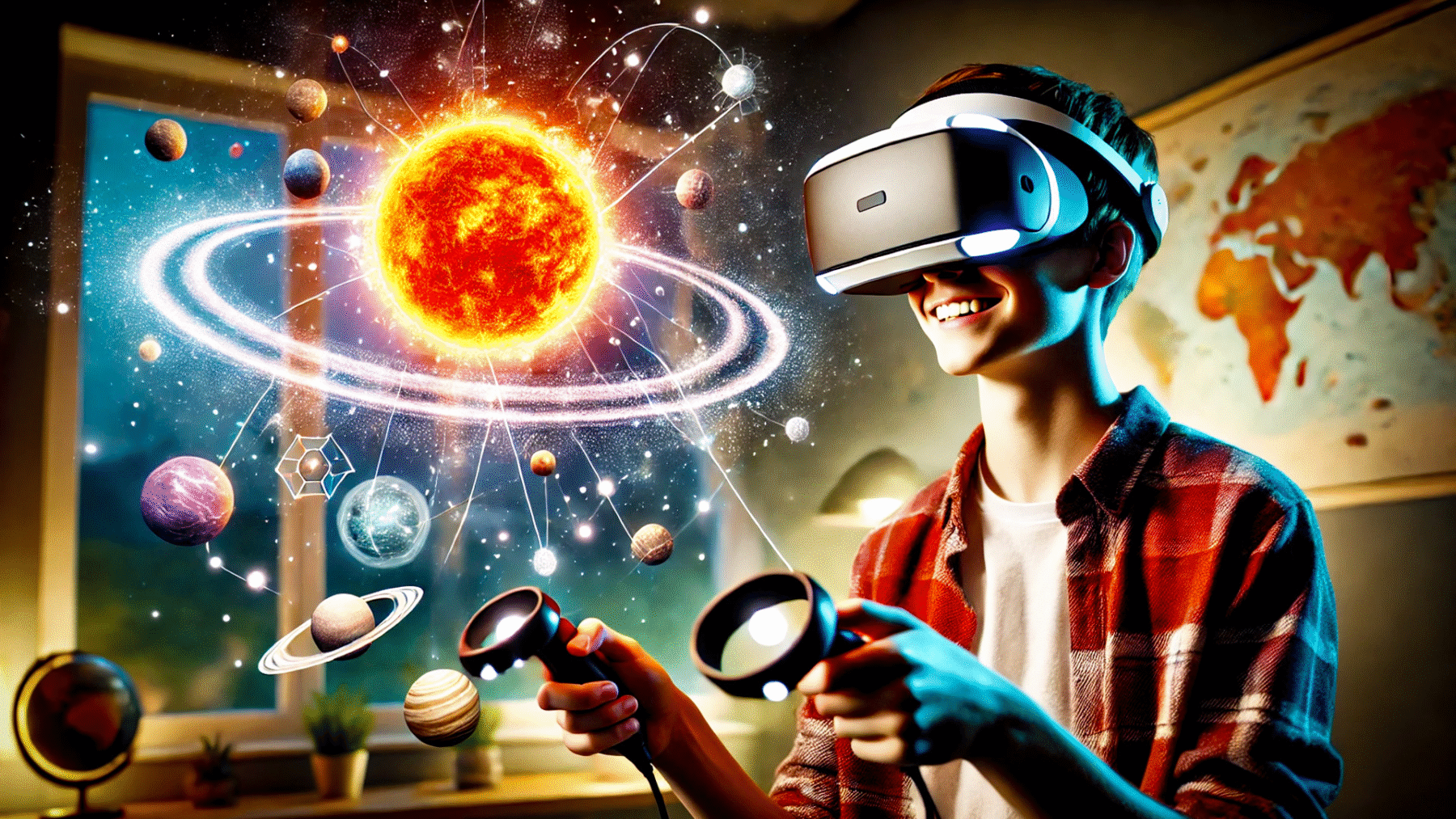
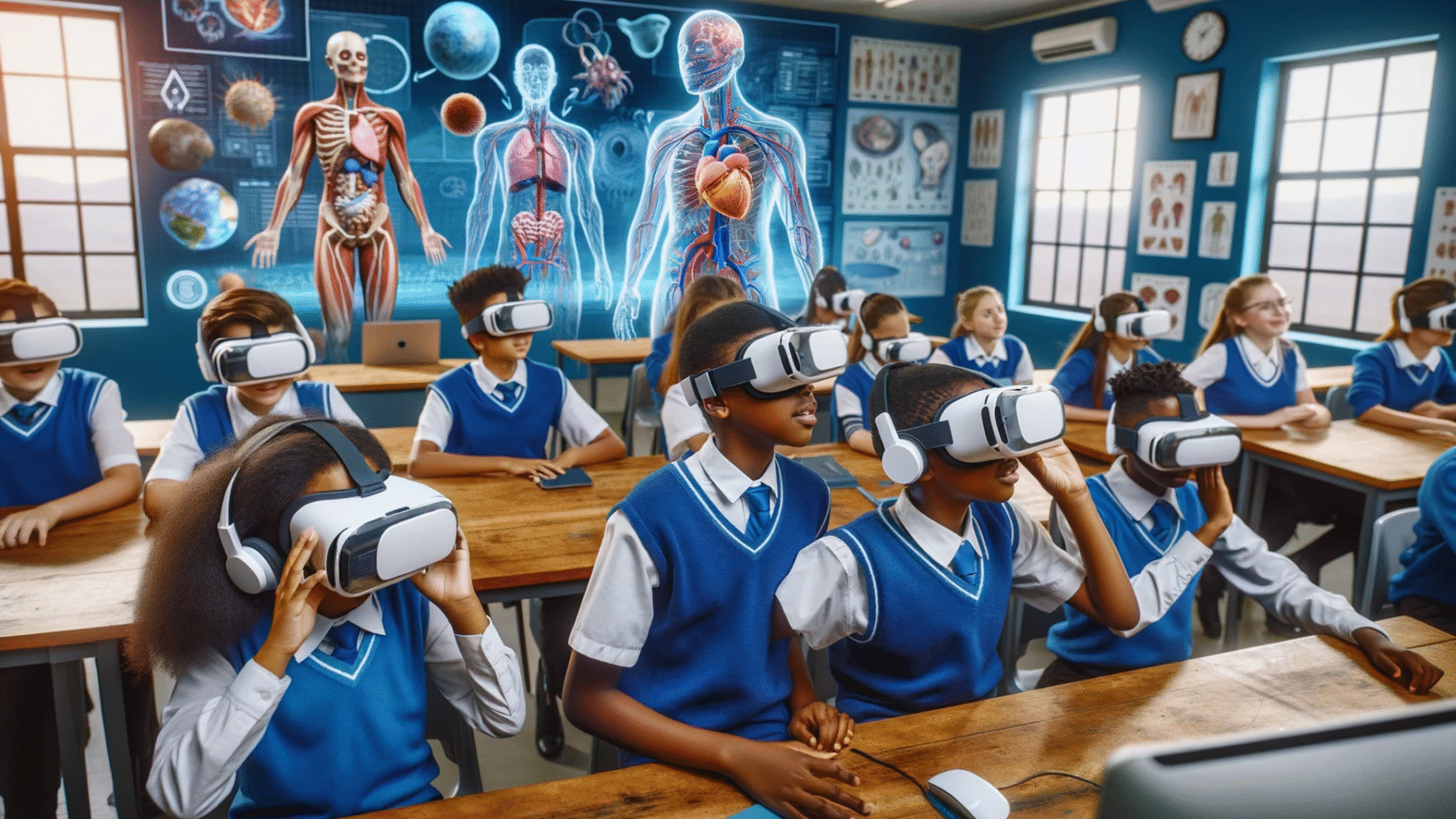
Instead of reading about the solar system, students can walk through it in virtual space. Instead of learning anatomy from a chart, they can dissect a virtual frog in a realistic simulation.
Immersive learning encourages active participation, which enhances retention, critical thinking, and creativity.
2. Why Gamification and Immersive Learning Matter
Today’s students are digital natives. They grow up playing games, interacting on screens, and consuming dynamic content. Static lectures struggle to keep their attention — but gamified, immersive learning meets them where they are.
Key Benefits
- Boosted Engagement:
When lessons feel like games, motivation skyrockets. Students love earning rewards and tracking progress. - Deeper Understanding:
VR and AR bring abstract concepts to life. For example, history students can visit ancient Rome instead of just reading about it. - Improved Retention:
According to studies, learners retain up to 75% more through active, experiential learning than through traditional methods. - Safe Practice Environments:
Immersive simulations allow learners to make mistakes safely — such as medical students performing virtual surgeries. - Collaboration and Problem-Solving:
Multiplayer educational games foster teamwork and communication. - Instant Feedback:
Digital platforms provide real-time feedback, helping students improve faster.
3. The Technologies Powering Immersive Education
a. Virtual Reality (VR)
VR immerses students in a fully digital world using headsets like Meta Quest, HTC Vive, or Google Cardboard.
Applications include:
- Exploring historical sites in 3D.
- Practicing science experiments in safe virtual labs.
- Role-playing social or business scenarios.
Popular VR Tools:
- Google Expeditions (now Arts & Culture) – virtual field trips.
- zSpace – interactive STEM experiences.
- Labster – virtual science lab simulations.
b. Augmented Reality (AR)
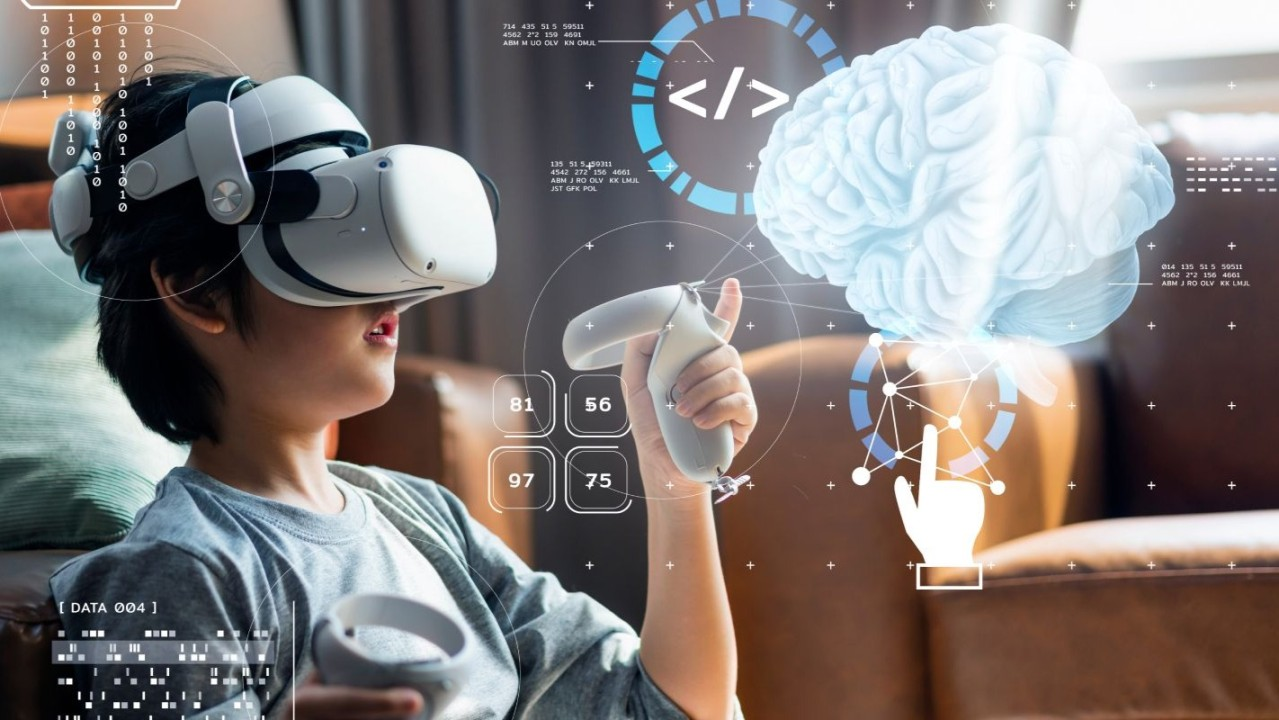
AR overlays digital information or objects onto the real world through mobile devices or AR glasses.
It’s less expensive and more accessible than VR.
Examples:
- Anatomy 4D: Students scan textbook images to see 3D organs.
- QuiverVision: Coloring pages come alive with AR animation.
- Merge Cube: Lets learners hold 3D objects in their hands using AR.
c. Mixed Reality (MR)
MR combines elements of both AR and VR — allowing real and virtual objects to interact.
This is especially useful in engineering, medicine, and architecture, where precision and visualization matter.
Example: Microsoft HoloLens lets medical students examine 3D holograms of the human body while interacting with real peers and equipment.
4. How Gamification Enhances Learning Outcomes
Gamification is more than fun — it’s scientifically backed.
a. Motivation Through Rewards
Points, badges, and leaderboards activate the brain’s reward system, encouraging persistence.
b. Goal-Oriented Learning
Levels and milestones help students visualize progress, fostering a growth mindset.
c. Autonomy and Mastery
Students choose challenges at their level, promoting self-paced learning and mastery of content.
d. Collaboration and Social Learning
Gamified platforms often include team play, where learners solve problems together — strengthening peer interaction and communication.
e. Continuous Feedback
Instant feedback loops help learners correct mistakes immediately, improving knowledge retention.
5. Examples of Gamification and Immersive Learning in Action
1. Duolingo
Duolingo revolutionized language learning by combining gamification with microlearning.
Users earn XP, maintain streaks, and progress through skill trees. Its game-like design has made it one of the world’s most popular learning apps.
2. Minecraft Education Edition
This version of Minecraft allows teachers to build educational worlds — from historical recreations to coding environments.
It encourages creativity, teamwork, and problem-solving.
3. Classcraft
Classcraft transforms classrooms into role-playing games. Students earn points for good behavior, teamwork, and completing assignments, encouraging both academics and social growth.
4. Labster
Labster provides VR-based science experiments, giving students realistic lab experiences without the risks or costs of physical labs.
5. Google Expeditions / VR Field Trips
Students can explore coral reefs, outer space, or ancient civilizations using affordable VR headsets — bringing the world into the classroom.
6. How Schools Can Implement Gamification and Immersive Learning.
Step 1: Define Educational Goals
Start with the learning outcomes you want to achieve. Gamification should enhance — not replace — learning objectives.
Step 2: Choose the Right Tools
Select platforms aligned with your subjects and resources:
- Kahoot! for quizzes
- Nearpod for interactive lessons
- ClassDojo for classroom management
- Google Arts & Culture VR for exploration
Step 3: Train Teachers
Educators must understand both technology and pedagogical strategy to integrate these tools effectively.
Step 4: Start Small
Pilot a single gamified module or AR lesson. Collect feedback from students and adjust.
Step 5: Ensure Accessibility
Not every student has access to advanced VR hardware. Use mobile-based AR or low-cost tools first.
Step 6: Measure Outcomes
Track engagement, retention, and performance to prove impact and refine your approach.
7. Challenges and Limitations
While gamification and immersive learning have immense potential, they come with certain challenges.
a. Cost
High-quality VR equipment can be expensive for schools with limited budgets.
b. Technical Barriers
Teachers need training, and reliable internet and devices are essential.
c. Content Availability
Not all subjects have suitable immersive or gamified content yet.
d. Overstimulation
If not balanced, gamification can shift focus from learning to just “winning.”
e. Accessibility
Students with disabilities may face usability issues without inclusive design.
8. The Future of Gamified and Immersive Learning
a. Artificial Intelligence Integration
AI will personalize game-based learning experiences, adapting difficulty and content in real time.
b. Metaverse Education
Virtual campuses where students from around the world can collaborate and attend immersive classes are becoming reality.
c. 3D Content Creation by Teachers
Soon, educators will create their own VR/AR lessons with drag-and-drop simplicity.
d. Gamified Assessments
Instead of traditional exams, students will complete interactive missions or simulations to demonstrate knowledge.
e. Integration with Blockchain
Achievements and certifications could be stored securely as digital credentials, ensuring authenticity.
9. Global Success Stories
a. Finland: Game-Based National Curriculum
Finland incorporates game-based learning at all levels, emphasizing creativity and problem-solving through interactive technology.
b. Singapore: Smart Nation Education
Singapore invests in VR labs and coding-based curricula to prepare students for digital futures.
c. Rwanda: Smart Classroom Project
Rwanda’s Ministry of Education, through initiatives like One Laptop per Child and ICT integration, is exploring gamified learning for rural education.
d. United States: VR in STEM
Schools and universities across the U.S. are using VR for STEM education, enabling students to conduct complex experiments safely and affordably.
10. How Gamification Transforms Teachers’ Roles
Teachers are no longer just knowledge transmitters — they are facilitators and game masters guiding students through interactive experiences.
- They set missions instead of assignments.
- Provide feedback loops instead of one-time grades.
- Use data analytics to personalize learning paths.
This shift promotes engagement, collaboration, and self-directed learning — essential skills for the 21st century.
11. Psychological Science Behind Gamified Learning
Gamified education works because it activates intrinsic motivation — the desire to learn for personal satisfaction.
Self-Determination Theory (SDT)
According to SDT, motivation grows when three needs are met:
- Autonomy – Learners feel in control.
- Competence – Learners feel capable.
- Relatedness – Learners feel connected to others.
Gamification fulfills all three — giving students choice, measurable progress, and a sense of community.
12. Ethical Considerations
While implementing gamification and immersive learning, educators must maintain ethical standards:
- Protect student data and privacy.
- Avoid addiction-like reward systems.
- Ensure inclusivity for all learning abilities.
- Focus on meaningful learning, not just digital entertainment.
13. Internal Links
- AI-Powered Personalized Learning: How Artificial Intelligence Enhances Education
- EdTech Expansion: How Digital Tools Are Shaping Classrooms Worldwide
- Teacher Training and Retention: Solving the Global Educator Shortage
- Mental Health and Student Well-being in Modern Schools
14. Final Thoughts: The Power of Play in Learning
Gamification and immersive learning aren’t just trends — they’re the future of education. By merging the power of play with cutting-edge technology, educators can make learning exciting, effective, and emotionally engaging.
Students don’t just consume knowledge — they live it, explore it, and apply it in meaningful ways.
As we move toward a more digital, interconnected world, schools that embrace gamified and immersive learning will not only boost academic performance but also cultivate curiosity, collaboration, and creativity — the true foundations of lifelong learning.