
Introduction
Education is the foundation of social and economic development, yet schools and learners worldwide face numerous challenges. From underfunded schools to outdated curricula and emerging mental health concerns, these educational issues significantly impact student outcomes and the quality of learning.
Addressing these challenges is essential to achieve equitable, quality education for all and to prepare students for the rapidly evolving global economy.
In this article, we explore the top 10 educational issues globally, their causes, impacts, and possible solutions.
1. Access to Quality Education
Issue: Millions of children and young adults worldwide still lack access to formal schooling, particularly in low-income and rural areas. Barriers include geographic distance, poverty, gender inequalities, and political instability.
Impact:
- High dropout rates
- Low literacy and numeracy skills
- Limited future employment opportunities
Solutions:
- Investment in school infrastructure and transport
- Scholarships and financial aid for disadvantaged students
- Policies promoting universal primary and secondary education
Example: UNESCO reports that over 260 million children were out of school in 2023, highlighting the urgent need for accessible education.

2. Teacher Shortage and Retention
Issue: Many regions face a shortage of qualified teachers. Moreover, retaining skilled educators is challenging due to low salaries, poor working conditions, and lack of professional development.
Impact:
- Overcrowded classrooms
- Lower teaching quality
- Reduced student engagement and learning outcomes
Solutions:
- Competitive teacher salaries and benefits
- Continuous professional development programs
- Mentorship and support systems for new teachers
Example: In sub-Saharan Africa, UNESCO estimates a teacher shortage of 17 million by 2030, affecting the quality of education.
3. Student Mental Health and Well-being
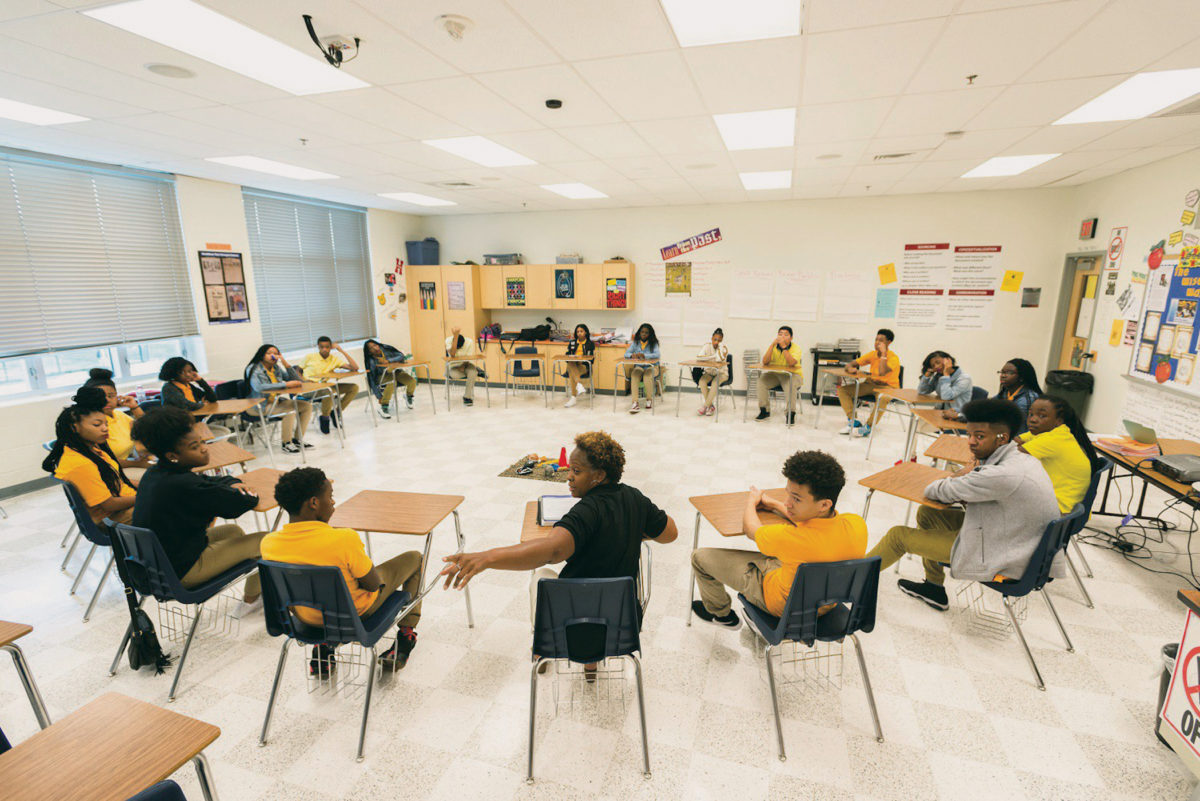
Issue: Modern students face rising levels of stress, anxiety, and depression. Academic pressure, social challenges, and lack of support systems contribute to poor mental health.
Impact:
- Decreased concentration and academic performance
- Higher absenteeism and school dropouts
- Increased social and behavioral issues
Solutions:
- Implement school-based counseling and mental health programs
- Reduce academic pressure through competency-based assessments
- Encourage mindfulness, physical activity, and peer support
Example: The CDC reports that 1 in 5 adolescents in the U.S. experienced a mental health disorder in 2023, underlining the need for school-based interventions.
4. Digital Divide and Access to Technology
Issue: The rise of digital learning has highlighted inequalities in access to devices and internet connectivity. Students without access to technology face significant educational disadvantages.
Impact:
- Limited participation in online learning
- Lower digital literacy skills
- Wider achievement gaps between privileged and disadvantaged students
Solutions:
- Government and NGO programs providing affordable devices and internet access
- Integration of digital literacy into the curriculum
- Development of offline and low-bandwidth learning solutions
Example: During the COVID-19 pandemic, over 1.5 billion learners worldwide were affected due to limited access to online education.
5. Curriculum Relevance and Skills Gap
Issue: Traditional curricula often emphasize rote memorization and theoretical knowledge, failing to prepare students for real-world challenges and modern careers.
Impact:
- Mismatch between education and labor market needs
- Graduates lacking critical thinking, problem-solving, and digital skills
- Reduced employability and innovation
Solutions:
- Update curricula to include STEM, digital literacy, soft skills, and critical thinking
- Introduce competency-based education models
- Collaborate with industry experts to align education with workforce needs
Example: The World Economic Forum notes that over 50% of students today will work in jobs that don’t yet exist, making curriculum modernization crucial.
6. Funding and Resource Constraints
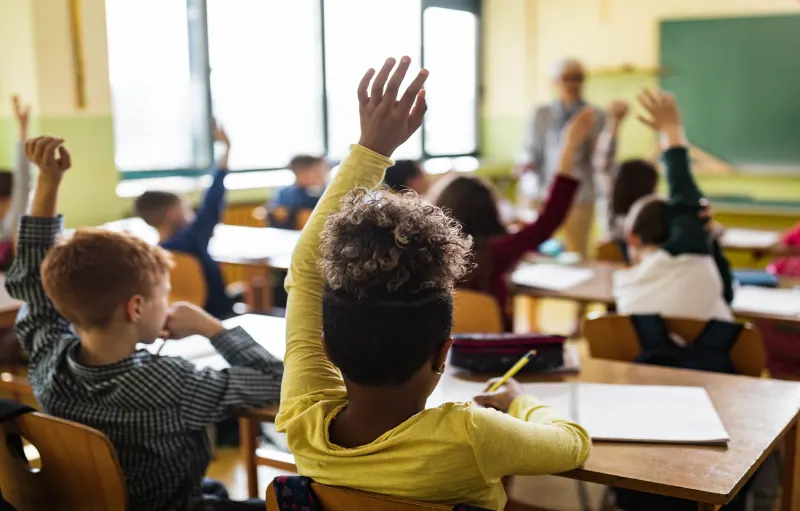
Issue: Many educational institutions, especially in low-income countries, suffer from inadequate funding. This affects infrastructure, learning materials, teacher salaries, and extracurricular programs.
Impact:
- Poor-quality classrooms and learning environments
- Lack of textbooks, technology, and teaching aids
- Increased teacher burnout and turnover
Solutions:
- Increase government and private investment in education
- Implement transparent and accountable funding mechanisms
- Encourage community involvement and public-private partnerships
Example: According to UNESCO, low-income countries spend an average of only $100 per student per year, far below the global standard.
7. Standardized Testing and Assessment Pressure
Issue: Overemphasis on standardized tests and exams often encourages rote learning and neglects holistic development, creativity, and critical thinking.
Impact:
- Increased stress among students
- Narrow focus on exam-oriented skills
- Reduced engagement and motivation for learning
Solutions:
- Implement competency-based assessments
- Use project-based learning and portfolios to evaluate performance
- Reduce the weight of high-stakes exams on student progression
Example: Finland, known for its high-performing education system, minimizes standardized testing and focuses on holistic assessments.

8. Inclusive Education for Students with Disabilities
Issue: Many education systems fail to accommodate students with physical, intellectual, or learning disabilities, limiting their access to quality education.
Impact:
- Marginalization of students with disabilities
- Lower academic achievement and self-esteem
- Social exclusion and reduced future opportunities
Solutions:
- Develop inclusive classrooms with accessible infrastructure
- Train teachers in special education strategies
- Provide assistive technology and learning aids
Example: UNICEF reports that over 90% of children with disabilities in low-income countries do not attend school, highlighting the critical need for inclusion.
9. Educational Policy and Governance Issues
Issue: Ineffective policies, corruption, and lack of accountability in education systems hinder progress and equitable access to quality learning.
Impact:
- Misallocation of resources
- Poor teacher recruitment and training
- Inequities between schools and regions
Solutions:
- Implement transparent governance systems and performance audits
- Promote stakeholder participation in education planning
- Regularly review and update policies based on data and research
Example: Countries like Singapore have achieved remarkable education outcomes by combining strong governance, accountability, and continuous policy improvements.
10. Language Barriers and Multilingual Education
Issue: Students learning in a non-native language face comprehension challenges, affecting performance and engagement. Multilingual populations often lack resources to support diverse learners.
Impact:
- Lower academic achievement
- Limited participation and confidence in class
- Higher dropout rates in regions with language disparities
Solutions:
- Provide bilingual or mother-tongue instruction in early grades
- Train teachers in multilingual education strategies
- Develop culturally relevant learning materials
Example: UNESCO advocates for mother-tongue instruction, showing improved literacy and cognitive development in multilingual students.
Conclusion: Addressing Educational Challenges for a Better Future
Education is a cornerstone of human development and social progress, yet global educational challenges persist, ranging from teacher shortages and funding gaps to mental health issues and technological inequities.
Solving these issues requires collaboration among governments, educators, communities, and private stakeholders. Key strategies include:
- Investing in teachers and professional development
- Integrating technology responsibly
- Promoting inclusive and competency-based education
- Modernizing curricula for 21st-century skills
- Supporting student well-being and mental health
By tackling these challenges head-on, we can ensure equitable, high-quality education for every learner, preparing them for success in an increasingly complex and globalized world.
“Education is the most powerful weapon to change the world.” – Nelson Mandela
Internal Links for WordPress SEO
- 🔗 Related: AI-Powered Personalized Learning: Tailoring Education to Students
- 🔗 Also Read: Competency-Based Assessments: Moving Beyond Rote Memorization
- 🔗 Explore: EdTech Expansion: Tools Shaping Modern Education
Suggested Keywords for SEO
Do you want me to do that next?