
Introduction: The AI Revolution in Language Education
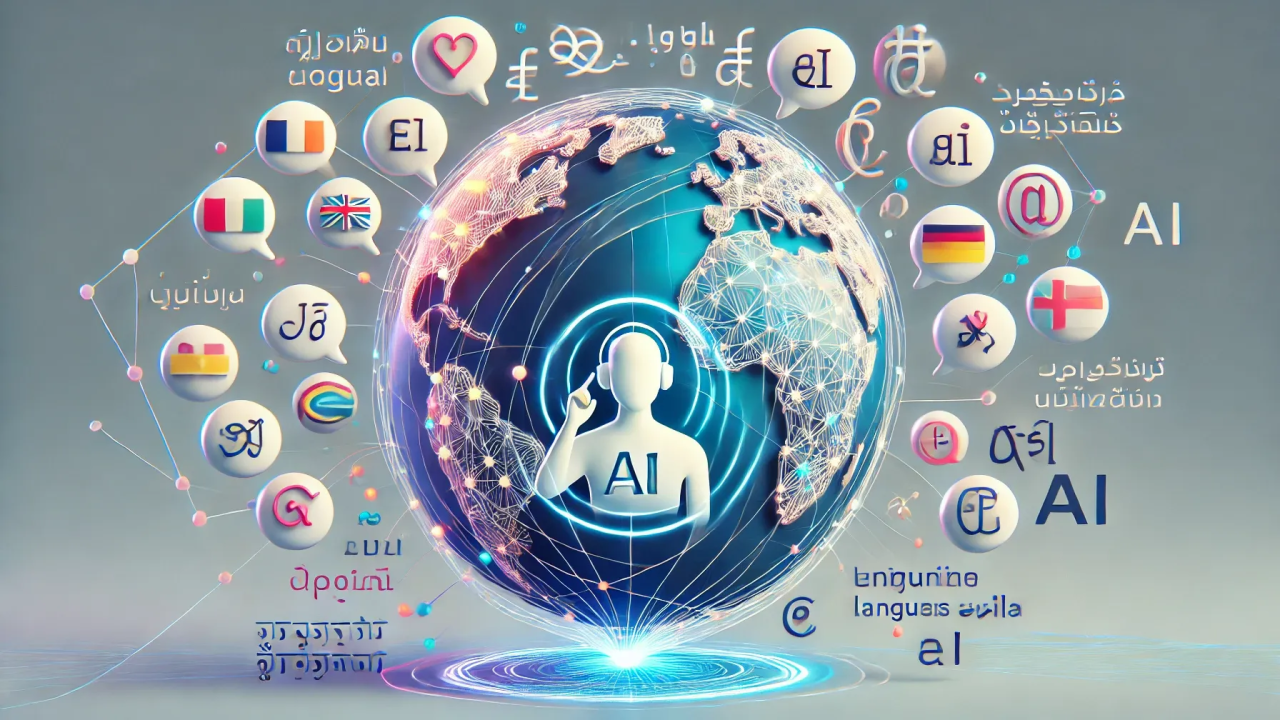
Language learning has always been a challenging but essential skill for personal, professional, and academic growth. Traditionally, learners relied on textbooks, classroom instruction, and immersion experiences. However, Artificial Intelligence (AI) is reshaping the way we learn languages, making it more interactive, personalized, and efficient.
AI is now integrated into language apps, chatbots, adaptive learning platforms, and even virtual classrooms, offering real-time feedback, pronunciation guidance, and content tailored to individual learning styles.
According to Digital Learning Institute (2025), “AI has the potential to provide learners with immediate, customized support, improving retention and accelerating proficiency in new languages.”
This article explores how AI is transforming language learning, the best AI tools available, and strategies to maximize learning outcomes.
1. Why AI is Transformative for Language Learning
AI transforms language acquisition in several ways:
a. Personalized Learning Paths
AI algorithms analyze a student’s performance, identifying strengths and weaknesses. This allows the system to provide customized exercises, focusing on areas where improvement is needed.
b. Real-Time Feedback
Unlike traditional classrooms, AI-powered tools provide instant feedback on grammar, vocabulary, and pronunciation, helping learners correct mistakes immediately and solidify understanding.
c. Adaptive Learning
AI can adjust difficulty levels based on learner performance. If a student struggles with certain tenses or vocabulary, AI increases practice in those areas without overwhelming them with content they already master.
d. Increased Engagement
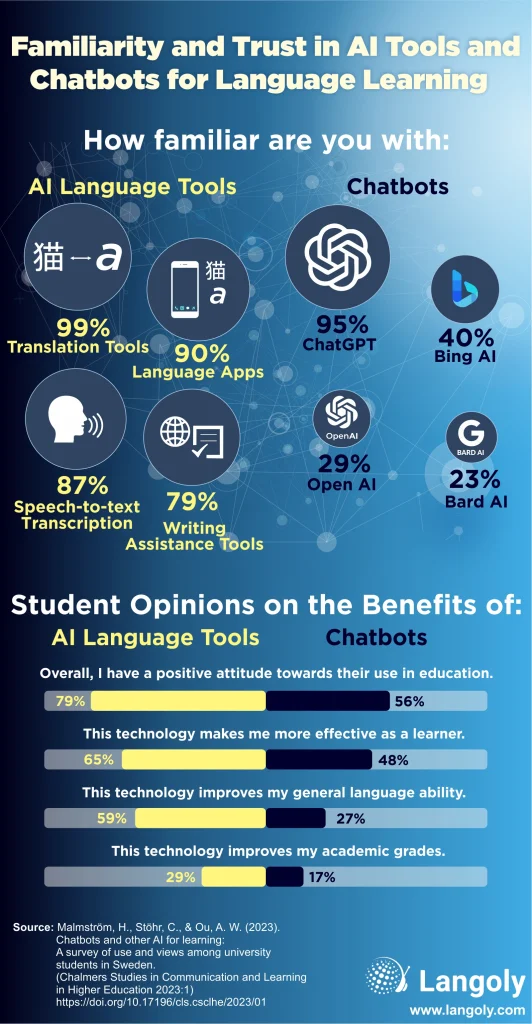
Gamified AI platforms, like chatbots or interactive exercises, turn language learning into an enjoyable experience, boosting motivation and long-term retention.
e. Scalability
AI allows language education to reach millions of learners worldwide, including remote and underserved regions, without the need for one-on-one human tutors.
2. Key AI Tools in Language Learning
There are numerous AI-powered platforms designed to enhance language acquisition. Below are some of the most effective:
1. Duolingo
Duolingo uses AI algorithms to personalize lessons, adapting exercises based on learner progress. Features include:
- Gamified lessons and streaks to motivate students
- AI-driven reminders for daily practice
- Chatbots for conversational practice
2. Rosetta Stone
Rosetta Stone incorporates speech recognition AI to assess pronunciation and provide corrections in real-time. It emphasizes immersion and context-based learning.
3. Lingvist
Lingvist leverages machine learning to prioritize vocabulary based on learner knowledge, focusing on words and phrases that will be most useful.
4. Babbel
Babbel uses AI to tailor lessons and review exercises, ensuring that learners focus on relevant language skills. The app also provides conversational simulations for real-life scenarios.
5. Elsa Speak
Elsa Speak is an AI-powered pronunciation coach. Its features include:
- Immediate feedback on articulation
- AI-generated exercises targeting weak areas
- Detailed progress tracking
6. Google Translate and AI Chatbots
AI chatbots, integrated with platforms like Google Translate, allow learners to practice real-time conversation in multiple languages with instant translation and feedback.
3. How AI Enhances Key Language Skills
AI in language learning targets the core components of communication:
a. Listening Comprehension
AI tools provide interactive audio exercises, enabling learners to train their ears to different accents, speech speeds, and contexts.
b. Speaking and Pronunciation
With speech recognition AI, learners can practice speaking, receive pronunciation scores, and repeat exercises until mastery is achieved.
c. Reading and Vocabulary
AI platforms use contextual learning and spaced repetition to expand vocabulary. Learners encounter new words in meaningful sentences, improving retention.
d. Writing Skills
AI-driven writing assistants, like Grammarly integrated into language learning platforms, help correct grammar, syntax, and style, reinforcing proper usage.
4. Benefits of AI in Language Learning
- Personalized Experience – Tailored lessons meet individual learning needs.
- Immediate Feedback – Errors are corrected instantly, reducing frustration.
- Motivation and Engagement – Gamification and interactive tools enhance learner involvement.
- Scalability and Accessibility – Language learning is no longer limited by location or instructor availability.
- Efficient Learning – AI prioritizes practice in areas where learners need the most improvement, saving time.
5. Challenges of AI in Language Learning
Despite its advantages, AI is not a silver bullet:
- Limited Cultural Context: AI may struggle with idiomatic expressions or cultural nuances.
- Overreliance on Technology: Learners might rely on AI corrections instead of developing independent judgment.
- Access Barriers: Students without reliable internet or devices may be left behind.
- Lack of Human Interaction: Speaking with AI can’t fully replicate real human conversations, which are essential for fluency.
Solutions include blending AI with human tutoring, ensuring learners practice both automated exercises and real-life interactions.
6. Strategies for Maximizing AI-Assisted Language Learning
- Set Clear Goals
Define your target language proficiency level and timeline. AI tools work best when learners have measurable objectives. - Regular Practice
Use AI platforms daily to take advantage of spaced repetition and reinforce memory retention. - Mix AI with Human Interaction
Join language clubs, conversation groups, or online classes to practice communication in real-life scenarios. - Monitor Progress
Track performance metrics provided by AI tools to identify weak areas and adapt learning strategies. - Engage with Diverse Content
Use AI-generated exercises along with movies, podcasts, and news in your target language for contextual learning.
7. The Future of AI in Language Education
The integration of AI into language learning is still evolving. Key trends include:
a. Adaptive Virtual Tutors
Future AI tutors will provide dynamic, individualized teaching, capable of simulating realistic conversations and offering contextual guidance.
b. AI in Assessment
AI will increasingly assess proficiency in speaking, listening, writing, and reading, providing personalized feedback for improvement.
c. Multilingual AI Assistants
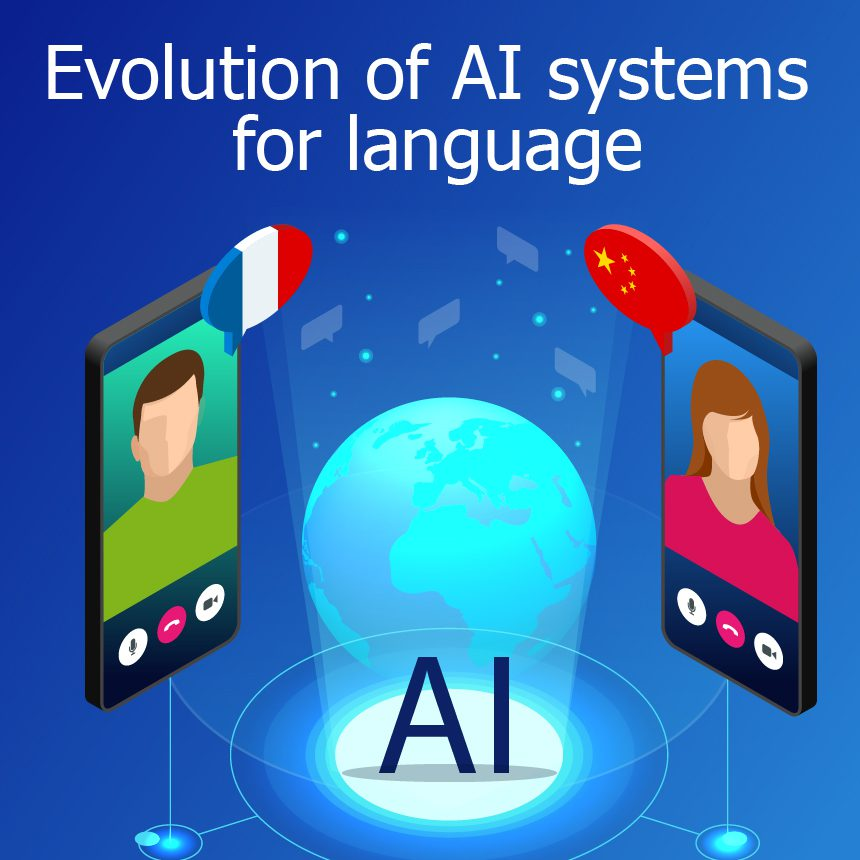
Learners may interact with AI systems fluent in multiple languages, enabling cross-linguistic practice and translation support in real-time.
d. Gamification and Immersive AI
AR and VR combined with AI will create immersive learning environments, allowing learners to practice language in virtual real-world scenarios.
8. Real-World Examples
- Duolingo’s AI-driven curriculum adapts exercises for over 500 million users worldwide.
- Elsa Speak has helped learners improve pronunciation scores by up to 40% within weeks.
- Babbel Live combines AI exercises with live instructor feedback, blending technology with human interaction.
9. Internal Links for WordPress SEO
- 🔗 Related: AI-Powered Personalized Learning: Tailoring Education to Every Student
- 🔗 Also Read: Competency-Based Assessments: Moving Beyond Rote Memorization
- 🔗 Explore: EdTech Expansion: Tools Shaping the Future of Learning
- 🔗 Learn More: Gamification and Immersive Learning: Engaging Students with Technology
Conclusion
AI is not just a supplementary tool—it is redefining the landscape of language learning. Through personalized pathways, real-time feedback, and adaptive exercises, AI enables learners to progress faster and more efficiently.
However, success depends on balancing technology with human interaction, leveraging AI’s strengths while maintaining cultural understanding and social practice.
“Artificial intelligence in language learning empowers learners to achieve fluency faster, smarter, and with greater engagement than ever before.”
As AI continues to advance, students, educators, and institutions that embrace these tools responsibly will enjoy a competitive advantage in global communication and education.
Do you want me to do that next?