

Introduction: A New Era of Education
Education is undergoing a massive transformation. Gone are the days when classrooms were defined by blackboards, chalk, and textbooks alone. In 2025, educational technology (EdTech) has become the driving force behind a global shift toward accessible, engaging, and personalized learning experiences.
From AI-powered tutoring systems to virtual classrooms that connect teachers and learners across continents, EdTech is reshaping how we learn, teach, and manage education systems.
This article explores the EdTech expansion in detail — covering its growth, benefits, challenges, key tools, and how schools and educators can leverage it to create a smarter, more inclusive learning ecosystem.
1. What Is EdTech? Understanding the Concept
EdTech (short for Educational Technology) refers to the integration of digital tools, software, and platforms into education to enhance teaching and learning.
It’s not just about using computers or online videos — EdTech involves a strategic approach to use technology to make education more effective, efficient, and equitable.
Examples of EdTech in Action
- Learning Management Systems (LMS) like Google Classroom, Moodle, or Canvas.
- AI-based tutoring apps such as Duolingo, Squirrel AI, or Quizlet.
- Remote learning tools including Zoom, Microsoft Teams, and ClassIn.
- Digital assessment platforms like Kahoot!, Socrative, and Edmodo.
- School management systems for attendance, grading, and communication automation.
2. The Global Growth of EdTech
According to UNESCO and HolonIQ, the global EdTech market is projected to surpass $600 billion by 2027, driven by remote learning, AI integration, and increasing investment in digital education tools.
Key Growth Drivers
- Pandemic-accelerated digital adoption – COVID-19 forced institutions to integrate online learning quickly, creating a lasting shift.
- Accessibility and inclusion – Digital tools make learning possible for students in rural or underserved areas.
- Lifelong learning demand – Professionals use EdTech platforms for continuous skill development.
- AI and machine learning integration – Personalized learning paths and automated grading improve outcomes.
- Government and NGO support – Many nations, including Rwanda, India, and Finland, are investing in digital education infrastructure.
3. The Core Pillars of EdTech Expansion
The success of EdTech lies in a few key components that work together to modernize education.
a. Remote and Hybrid Learning
EdTech enables learning beyond physical classrooms, allowing students to attend lessons from anywhere. Hybrid models — a blend of in-person and virtual learning — have proven especially effective in maintaining flexibility and engagement.
b. Digital Classrooms
Platforms such as Google Classroom and Microsoft Teams for Education centralize lessons, assignments, and discussions. They reduce paper use and streamline teacher-student communication.
c. Administrative Automation
School management software now handles:
- Attendance tracking
- Grade reporting
- Communication with parents
- Fee collection and financial management
This automation saves educators time and improves transparency.
d. Data Analytics in Education
Through EdTech, educators can analyze performance data, monitor learning progress, and identify struggling students early — enabling data-driven interventions.

4. The Best EdTech Tools in 2025
Here are the top-performing EdTech tools currently transforming schools, universities, and online learning spaces worldwide:
| Category | Tool | Key Features | Why It Stands Out |
|---|---|---|---|
| Learning Management | Google Classroom | Free, easy integration | Ideal for hybrid education |
| Virtual Learning | Zoom for Education | Breakout rooms, live recording | Smooth online teaching experience |
| Content Creation | Canva for Education | Drag-and-drop design | Enhances creativity in presentations |
| Assessment | Kahoot! | Game-based quizzes | Increases engagement and participation |
| Collaboration | Padlet | Digital whiteboard | Promotes group work and brainstorming |
| Coding | Scratch | Visual coding interface | Great for introducing kids to programming |
| AI Learning | Squirrel AI | Personalized adaptive learning | Tailors lessons to each student’s needs |
| Language Learning | Duolingo | Gamified language lessons | Keeps students motivated |
| Administration | PowerSchool | All-in-one management | Simplifies school operations |
| Productivity | Notion | Task management + notes | Helps organize projects and resources |
5. Benefits of EdTech Expansion
The rise of educational technology has delivered transformative benefits to students, teachers, and institutions alike.
a. Personalized Learning
AI-driven platforms adjust content to fit the learner’s pace and style, ensuring no student is left behind.
b. Enhanced Engagement
Gamification, interactive videos, and virtual labs make lessons fun and immersive.
c. Accessibility and Flexibility
Students in remote areas or with disabilities can now access quality education through online platforms and assistive technologies.
d. Efficiency for Teachers
Automation tools free up educators from repetitive administrative work, allowing them to focus on instruction and mentorship.
e. Continuous Learning
EdTech supports lifelong learning — professionals can upskill anytime, anywhere, through online courses and micro-credentials.

6. Challenges of EdTech Expansion
Despite its success, EdTech comes with challenges that must be addressed for sustainable growth.
a. Digital Divide
Many regions, especially in developing countries, still lack internet access or devices for students.
b. Data Privacy and Security
Storing student information online raises concerns about cyberattacks and misuse of data.
c. Teacher Training Gaps
Many educators lack adequate training to use new digital tools effectively.
d. Over-Reliance on Technology
Too much screen time and reduced face-to-face interaction can harm social and emotional development.
e. Cost Barriers
Some premium EdTech tools remain unaffordable for small schools and low-income families.
7. How Schools Can Implement EdTech Effectively
Transitioning to a digital learning model requires strategic planning and support systems.
Step-by-Step Implementation Strategy
- Assess digital readiness — Evaluate your infrastructure, internet, and hardware.
- Train teachers — Offer professional development on using digital platforms.
- Choose suitable tools — Start with free or open-source EdTech solutions.
- Integrate gradually — Introduce technology in stages, not all at once.
- Engage parents — Inform and involve families in digital transitions.
- Monitor and evaluate — Track outcomes and gather feedback to improve implementation.

8. The Future of EdTech: Trends to Watch
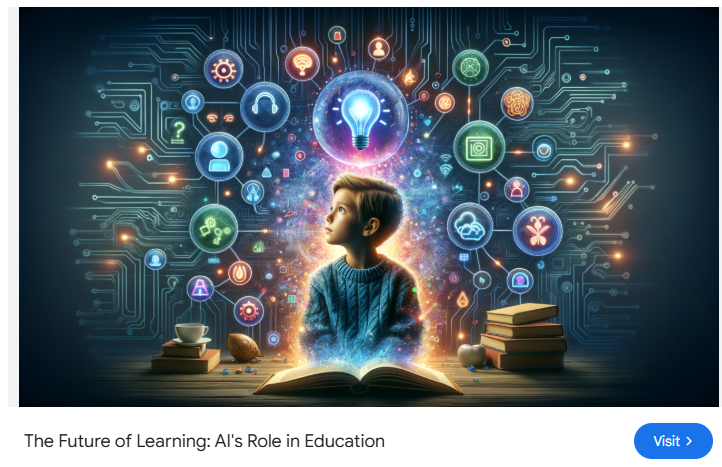
a. Artificial Intelligence and Adaptive Learning
AI will continue to create more personalized, predictive, and intelligent learning pathways.
b. Virtual and Augmented Reality (VR/AR)
Immersive technologies will redefine classrooms — enabling virtual field trips, 3D models, and simulation-based learning.
c. Blockchain in Education
Blockchain will help secure certificates, transcripts, and academic credentials.
d. Gamified Learning Ecosystems
Game mechanics will dominate education platforms, increasing motivation and retention.
e. Lifelong Micro-Learning
Bite-sized, on-demand lessons will replace long, rigid academic programs — ideal for professionals balancing work and study.
9. The Role of Governments and NGOs
Governments and organizations are crucial in ensuring equitable access to EdTech.
- UNESCO’s Global Education Coalition supports digital learning in low-income countries.
- Rwanda’s Smart Classroom Initiative provides laptops and connectivity for schools.
- India’s DIKSHA platform offers free online courses to millions of students and teachers.
- The World Bank funds education technology projects worldwide.
These initiatives ensure that digital learning becomes a right, not a privilege.
10. Case Study: Rwanda’s Smart Education Journey
Rwanda’s Ministry of Education has championed digital transformation through:
- The One Laptop per Child program.
- Integration of ICT in curriculum and assessments.
- Partnerships with Google for Education and MTN Rwanda for digital access.
The results show improved student engagement, teacher productivity, and inclusivity — making Rwanda a model for EdTech expansion in Africa.
11. The Human Side of EdTech
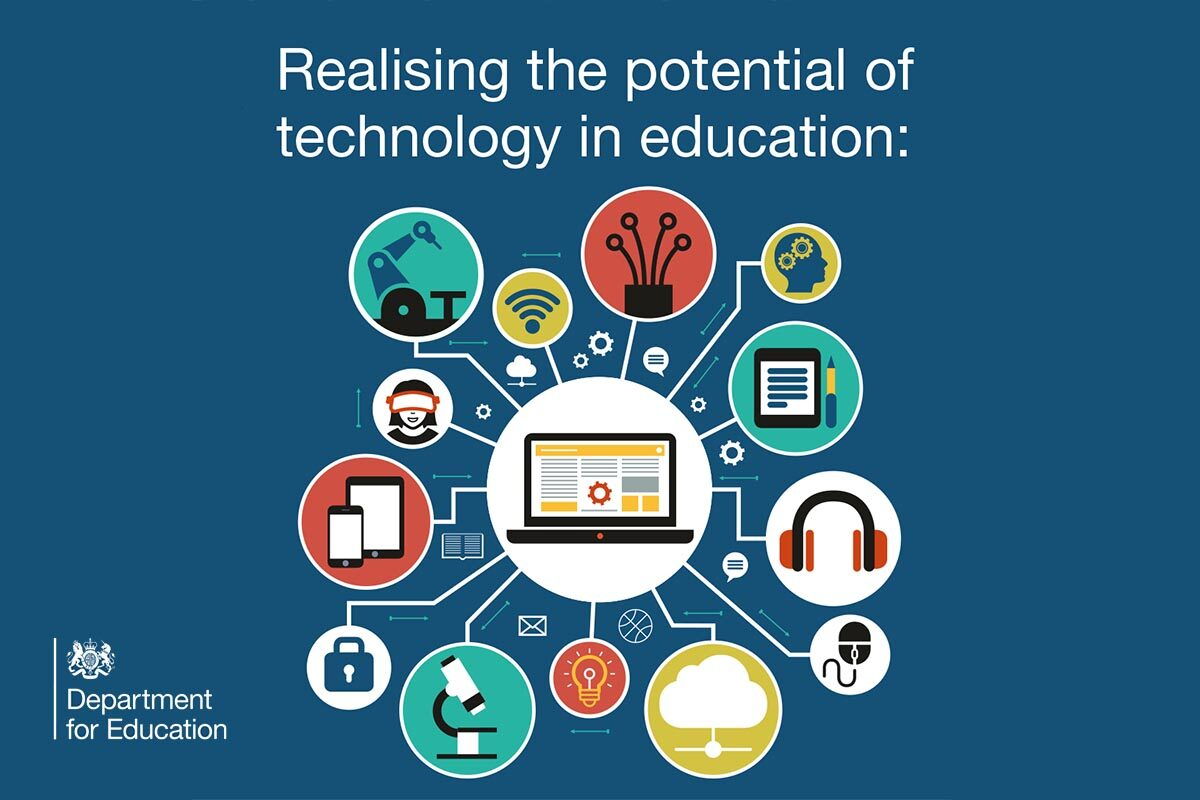
Technology alone cannot transform education — teachers remain the backbone of the learning process.
Thus, the focus must remain on blending technology with pedagogy — ensuring digital tools empower teachers rather than replace them.
EdTech should amplify human connection, creativity, and curiosity — not automate them away.
12. Final Thoughts: Building the Future of Learning
The expansion of EdTech represents one of the greatest educational revolutions in history. It’s bridging gaps, empowering learners, and preparing future generations for the digital world.
But success depends on responsible adoption — combining innovation with empathy, equity, and ethics.
As we look to 2030, the goal isn’t just digital education, but human-centered digital learning — where technology serves as a bridge, not a barrier.
📚 Internal Links
- AI-Powered Personalized Learning: How AI Shapes the Future of Education
- Competency-Based Assessment: Measuring What Really Matters in Schools
- Teacher Training and Retention: Solving the Global Teacher Shortage
- Mental Health and Student Well-being in Schools
Keywords for SEO:
EdTech, Educational Technology 2025, digital classrooms, remote learning tools, AI in education, school management systems, Rwanda digital education, future of learning, online education platforms, e-learning 2025.
Would you like me to now create this article in WordPress HTML format (with H1–H4 tags, meta data, and embedded internal links) so you can paste it directly into your website editor?







 is reshaping learning worldwide. Explore top tools, remote learning platforms, digital classrooms, and the future of education.)