

School avoidance or dislike isn’t always about laziness or disobedience — it’s often a cry for help. When a child begins resisting school, it usually signals that something in their learning environment, emotional world, or social life has gone wrong.
Let’s explore the main reasons in detail:
1. 🧩 Academic Pressure and Fear of Failure
✴️ Explanation
One of the most common reasons children start to dread school is academic stress. When students feel overwhelmed by schoolwork, fear of failing exams, or pressure to perform better, school becomes a place of anxiety rather than growth.
- Some children struggle with learning difficulties (like dyslexia, ADHD, or slow processing) that make lessons hard to follow.
- Others face high expectations from teachers or parents, leading to chronic stress and self-doubt.
✴️ Signs
- Complaining of stomach aches or headaches before school
- Tears or tantrums on school mornings
- Avoiding homework or tests
✴️ Solution
- Focus on competency-based assessments rather than grades.
- Offer individualized learning support or remedial classes.
- Encourage a growth mindset: praise effort, not perfection.
“Children aren’t afraid of hard work. They’re afraid of being judged for not being perfect.” — Educational Psychologist Dr. Carol Dweck
2. 😔 Negative Relationships with Teachers
✴️ Explanation
A child’s relationship with their teacher deeply shapes their school experience. If a student feels criticized, ignored, or misunderstood, they may associate school with rejection or fear.
Sometimes, strict or punitive teachers unknowingly create an environment where students feel small or incapable. Over time, this emotional discomfort turns into school avoidance.
✴️ Signs
- Sudden dislike of a specific subject or teacher
- Quietness or reluctance to participate
- Avoiding eye contact or faking illness on days of certain classes
✴️ Solution
- Encourage positive teacher-student relationships based on respect and empathy.
- Train teachers in emotional intelligence and classroom communication.
- Create feedback systems where students can express concerns safely.
3. 🧑🤝🧑 Bullying and Peer Conflicts
✴️ Explanation
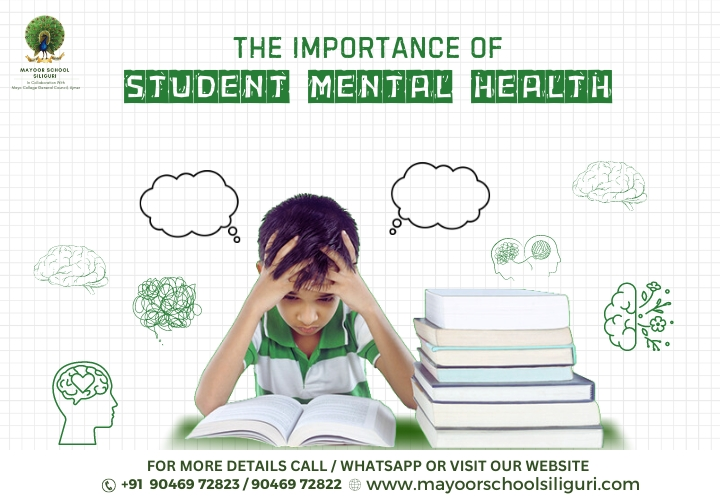
Bullying — whether physical, verbal, or cyber — is a major cause of school avoidance. Children who are mocked, excluded, or harassed by classmates begin associating school with pain, fear, and humiliation.
Even subtle social issues (being ignored, losing friends, or feeling unpopular) can make school unbearable for sensitive students.
✴️ Signs
- Unexplained injuries or missing belongings
- Sudden drop in grades
- Isolation, sadness, or refusal to talk about school
✴️ Solution
- Implement anti-bullying policies and peer mediation programs.
- Foster inclusive classroom cultures through group projects and empathy lessons.
- Train teachers to spot early signs of peer victimization.
“Children who feel safe learn better. Safety is the foundation of all learning.”
4. 🏠 Family Issues and Home Environment
✴️ Explanation
When children face emotional turbulence at home, such as conflict between parents, neglect, financial stress, or loss of a loved one, their ability to engage at school drops sharply.
Some kids stay home because they don’t want to leave a distressed parent, while others simply can’t focus due to emotional exhaustion.
✴️ Signs
- Sudden emotional withdrawal or clinginess
- Frequent absences
- Changes in eating or sleeping patterns
✴️ Solution
- Provide school counseling and family outreach programs.
- Maintain close communication between teachers and parents.
- Offer home visits or social worker support for vulnerable families.
5. 📱 Digital Distraction and Social Media Pressure
✴️ Explanation
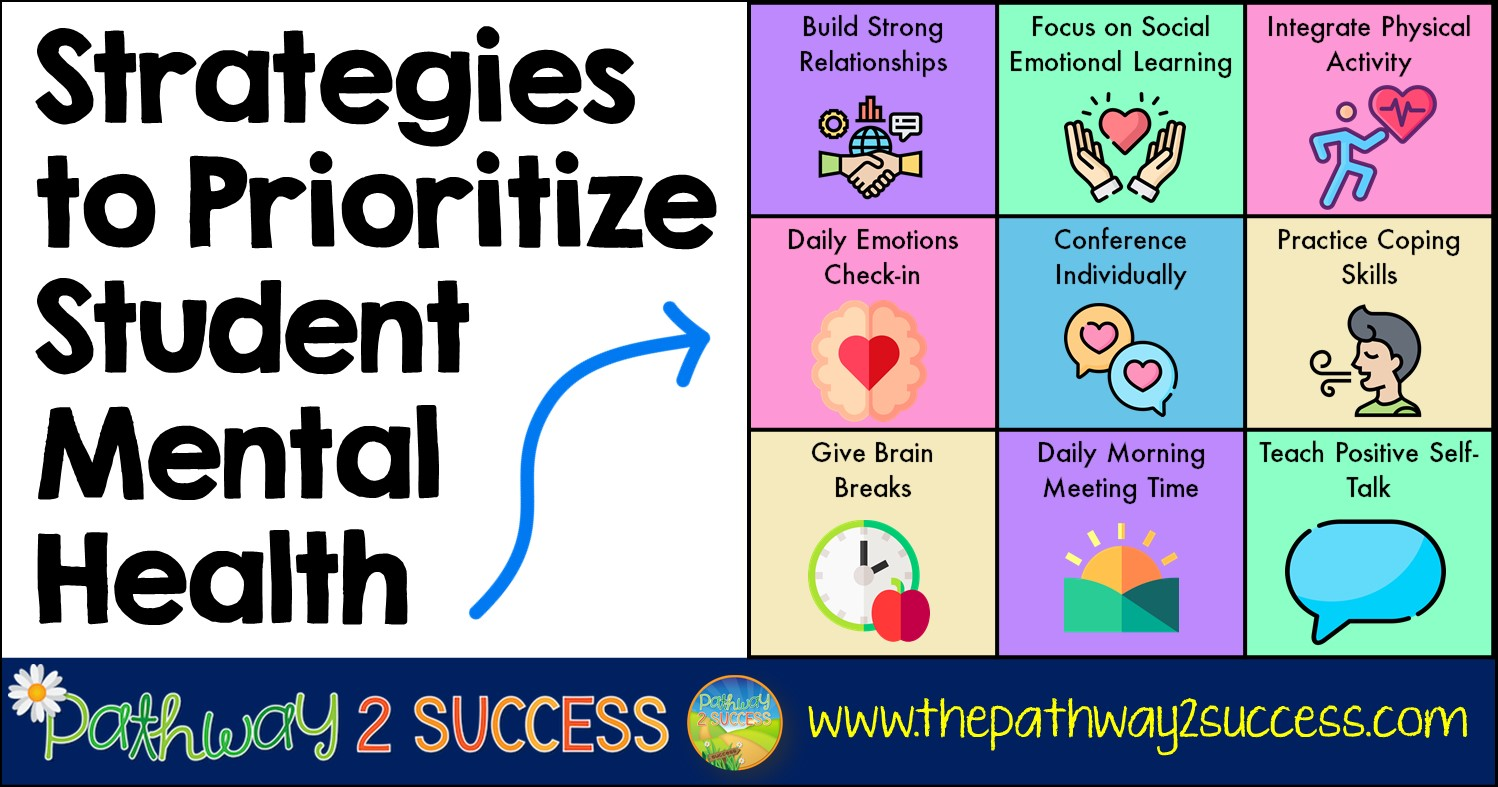
Modern students are constantly connected to digital platforms that offer instant gratification — games, videos, or social media likes. Compared to that, school may seem boring, rigid, or outdated.
Additionally, online comparison and cyberbullying can cause emotional distress, making students dread social interactions at school.
✴️ Signs
- Lack of motivation to study or wake up early
- Falling grades despite intelligence
- Sleep deprivation due to late-night screen time
✴️ Solution
- Teach digital literacy and balance through workshops.
- Set screen-time boundaries at home and school.
- Incorporate technology meaningfully into learning to make school more engaging.
6. 😢 Anxiety, Depression, or Other Mental Health Issues
✴️ Explanation
Emotional disorders like anxiety, depression, or social phobia are growing among school-age children. These aren’t always visible — sometimes they appear as physical symptoms, defiance, or laziness.
When kids say, “I don’t want to go to school,” they might really mean, “I’m scared, sad, or exhausted.”
✴️ Signs
- Frequent complaints of illness
- Mood swings or crying spells
- Withdrawal from friends or favorite activities
✴️ Solution
- Hire or train school counselors and psychologists.
- Encourage open conversations about emotions.
- Promote mindfulness and relaxation activities in the classroom.
7. 📚 Boring or Irrelevant Curriculum
✴️ Explanation
If learning feels repetitive, overly theoretical, or disconnected from real life, students lose interest. Many children crave hands-on, creative, or problem-based learning — not endless memorization.
Traditional rote learning fails to engage curious minds and makes school seem meaningless.
✴️ Signs
- Daydreaming or lack of participation
- Skipping classes of certain subjects
- Complaining that school is “useless”
✴️ Solution
- Adopt a Competence-Based Approach (CBA) or project-based learning.
- Encourage creativity, teamwork, and exploration.
- Connect lessons to real-world experiences and future careers.
“Students don’t hate learning — they hate being bored.”
8. 🏫 Overcrowded or Unsafe School Environments
✴️ Explanation
In some schools, especially in developing areas, classrooms are overcrowded, under-resourced, or poorly maintained. Students might dislike the noise, discomfort, or lack of attention from teachers.
Safety issues, such as violence or poor sanitation, can also contribute to absenteeism.
✴️ Signs
- Frequent complaints about the school environment
- Attempts to skip school with excuses
- Lack of motivation despite effort
✴️ Solution
- Improve school infrastructure and reduce class sizes.
- Ensure clean, safe, and welcoming learning spaces.
- Involve students in school improvement projects to boost ownership.

9. ⚖️ Learning Differences and Unmet Needs
✴️ Explanation
Children with special educational needs (SEN)—such as autism, ADHD, or sensory disorders—often find traditional classrooms overwhelming. If they feel misunderstood or unsupported, school becomes stressful.
✴️ Signs
- Avoidance of certain subjects or group work
- Tantrums or meltdowns after school
- Constant fatigue or frustration
✴️ Solution
- Provide inclusive education training for teachers.
- Offer individual learning plans and classroom adjustments.
- Celebrate diversity and normalize learning differences.
10. 😔 Transition Anxiety (New School or Grade)
✴️ Explanation
Changes—such as moving to a new school, entering a higher grade, or switching teachers—can trigger anxiety in children. Fear of the unknown or losing friends can lead to school refusal.
✴️ Signs
- School resistance during term beginnings
- Shyness or social withdrawal
- Clinging to parents at drop-off
✴️ Solution
- Organize orientation and peer-buddy programs.
- Maintain consistent routines and reassurance.
- Allow time for emotional adjustment before expecting high performance.
🌈 Summary Table: Causes vs. Solutions
| Cause | What Happens | What Schools/Parents Can Do |
|---|---|---|
| Academic pressure | Anxiety, avoidance | Supportive learning pace, growth mindset |
| Teacher conflict | Fear or dislike | Empathy, teacher training |
| Bullying | Trauma, withdrawal | Anti-bullying programs |
| Family issues | Stress, distraction | Counseling, parent communication |
| Digital distraction | Low focus | Screen-time management |
| Mental illness | Sadness, fear | Professional mental health care |
| Boring curriculum | Disinterest | Interactive, practical lessons |
| Unsafe environment | Fear, discomfort | Improve safety and facilities |
| Learning needs | Overwhelm | Inclusion and differentiation |
| Transitions | Fear of change | Orientation and mentorship |
💬 Final Thoughts: Turning “I Hate School” into “I Love Learning”
When a child resists school, it’s not defiance — it’s a signal. Something in their world feels unsafe, confusing, or overwhelming. Our job as educators, parents, and mentors is to listen compassionately, not punish reactively.
By addressing the root causes — not just the behavior, we can transform school into a place of safety, curiosity, and joy once again.
“Every child who hates school has a story. Once you understand the story, you can rewrite the ending.”