
Introduction: A New Era of Educational Inclusion
Across the world, education systems are evolving to become more inclusive, skill-based, and globally relevant. One of the most profound shifts taking place—especially in regions like India, Pakistan, Bangladesh, and parts of Africa—is the integration of Madrasas into mainstream education systems.
Historically, Madrasas (Islamic educational institutions) have played a vital role in nurturing religious scholarship and moral instruction. However, as global economies and societies modernize, there’s growing recognition that religious education alone is not enough to prepare learners for the 21st century.
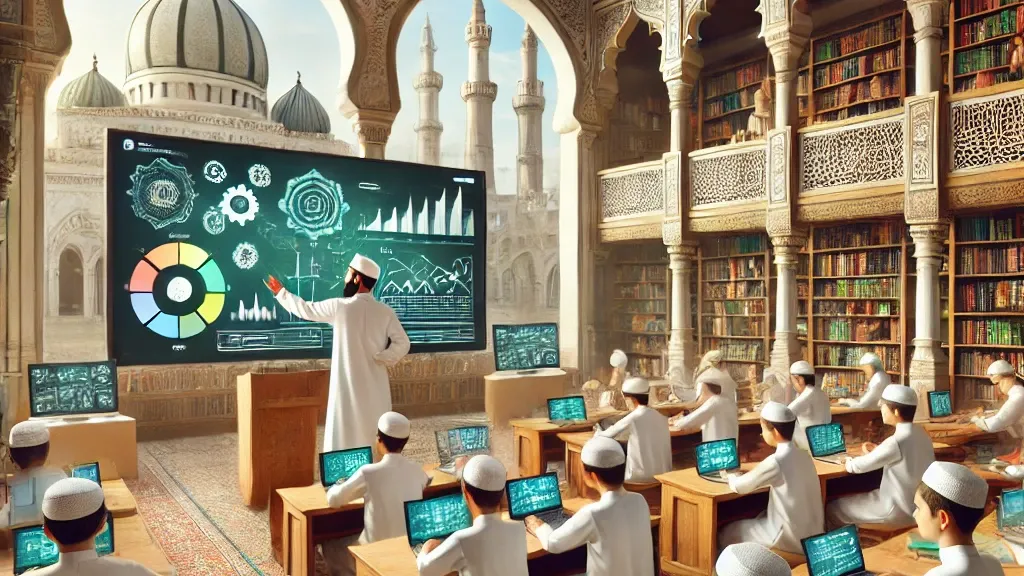
Governments, policymakers, and education reformers are now merging traditional Islamic curricula with modern subjects—like science, technology, mathematics, and languages—to ensure that every child, regardless of background, has access to comprehensive and competitive education.
This integration marks a transformational step toward inclusivity, employability, and equity in education.
1. Understanding Madrasas and Their Historical Role
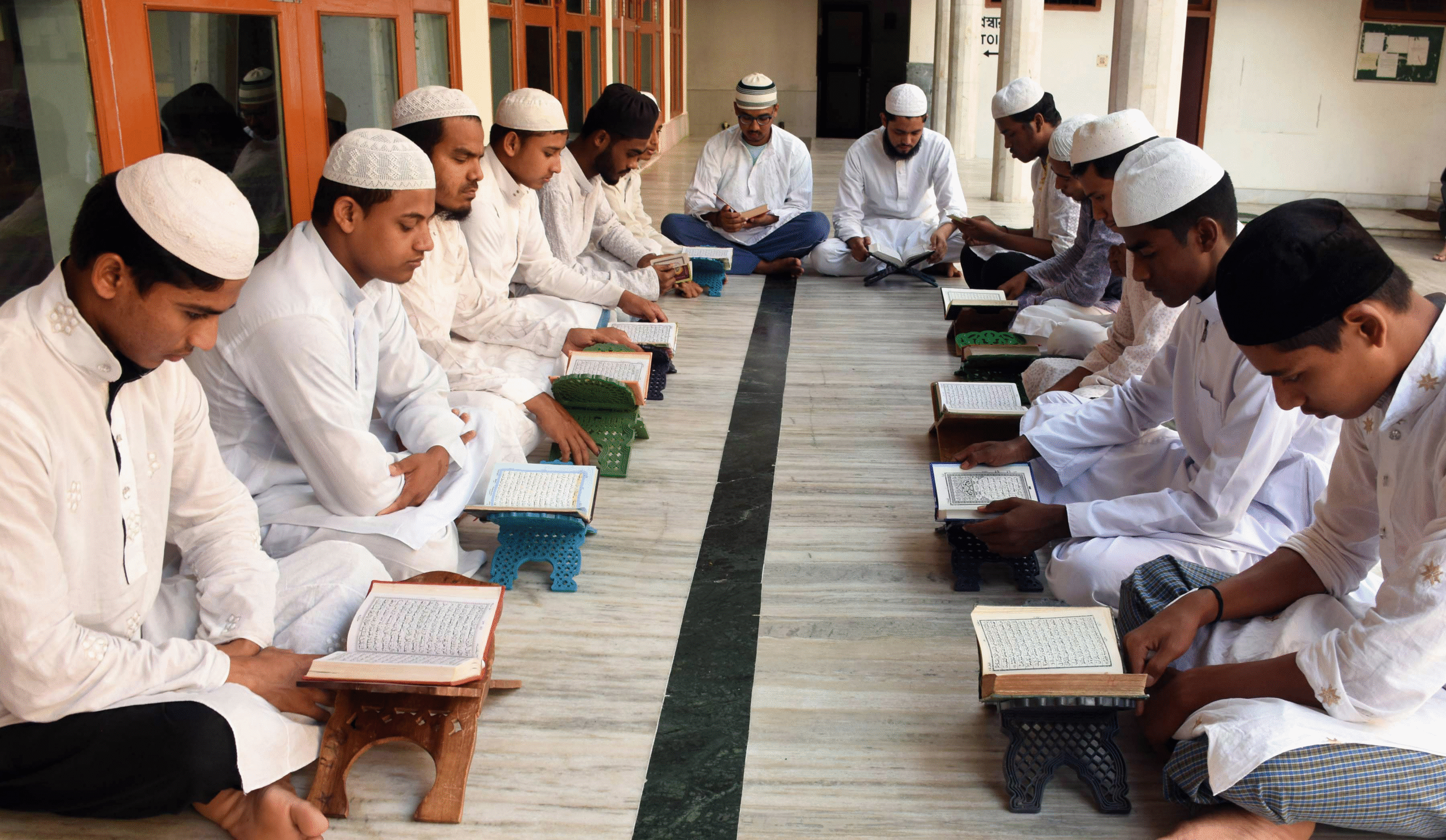
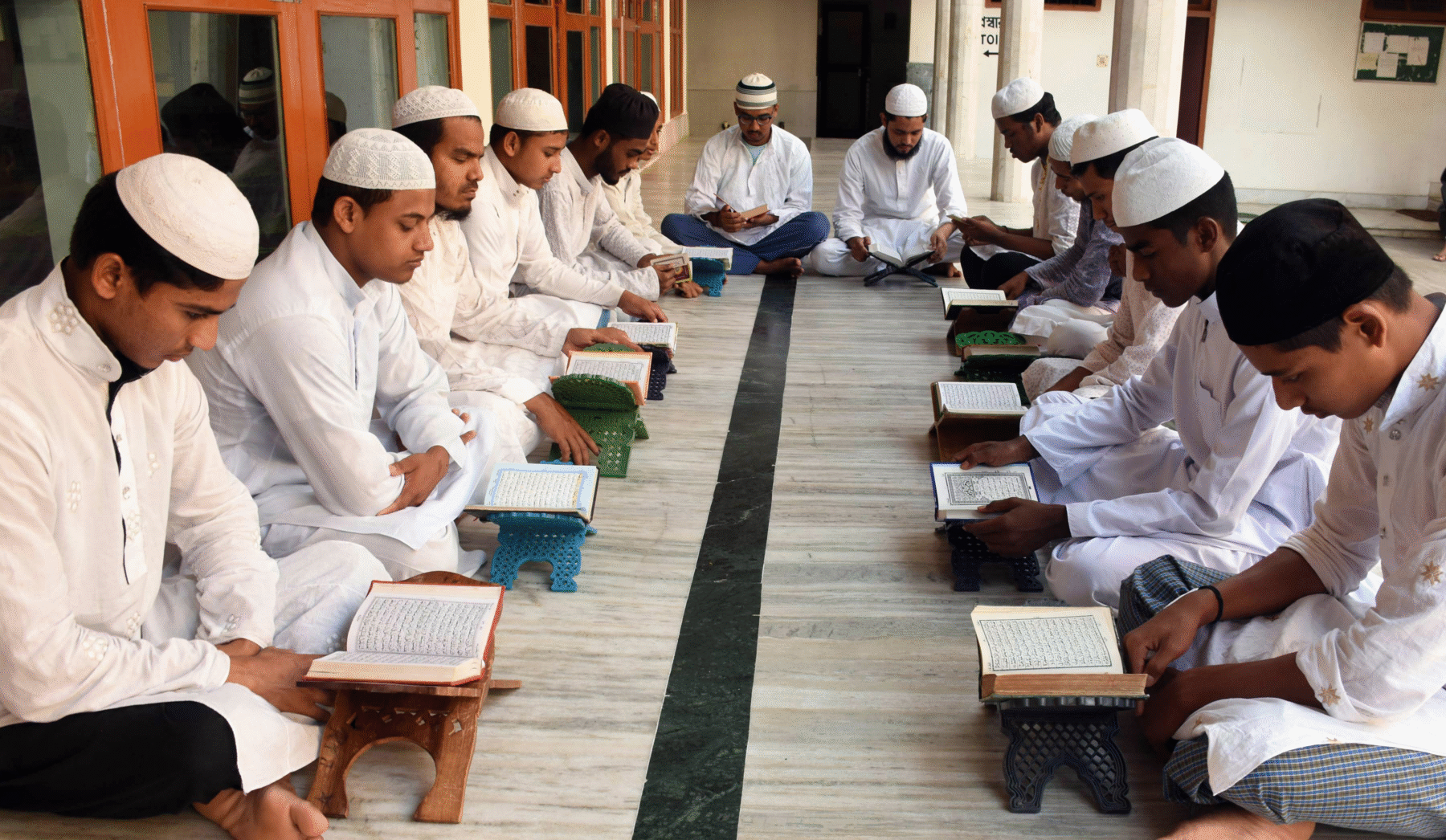
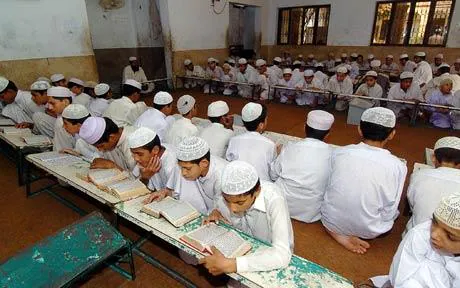
Madrasas have been an integral part of Muslim societies for over a thousand years. The term Madrasa literally means “a place of learning,” and historically, these institutions taught Qur’anic studies, Arabic grammar, Hadith (Prophetic traditions), Fiqh (Islamic jurisprudence), and moral philosophy.
During the Islamic Golden Age, Madrasas were centers of excellence, contributing to science, philosophy, and literature. Institutions like Al-Azhar University (Egypt) and Al-Qarawiyyin (Morocco)—founded centuries ago—were among the world’s earliest universities.
However, in many developing countries today, Madrasas have remained isolated from mainstream education systems, primarily focusing on religious education. This separation has, over time, limited the socioeconomic opportunities available to their graduates.
2. The Need for Integration
The integration of Madrasas into mainstream education is not about erasing tradition, but about empowering learners.
Here’s why this shift is necessary:
a) Equity in Education
Many children in rural or low-income Muslim communities only have access to Madrasas. Without integration, these students may miss out on core academic skills such as math, science, ICT, and critical thinking.
b) Employability and Skills Development
Modern economies demand digital literacy, language proficiency, and vocational skills—areas often absent from traditional religious curricula. Integration bridges this gap, enabling students to pursue higher education or professional careers.
c) Social Cohesion and Inclusivity
Mainstream integration fosters national unity, allowing students from diverse educational backgrounds to participate in common national exams and employment systems.
d) Alignment with Global Education Goals
UNESCO’s Sustainable Development Goal 4 (SDG 4) calls for inclusive and equitable quality education. Integrating Madrasas supports this vision by expanding access to standardized learning.
3. Models of Integration Across the World
Different countries have approached Madrasa integration in unique ways. Let’s look at some notable examples:
India: The Uttarakhand Initiative
In Uttarakhand, India, the state government announced plans to bring Madrasas under the formal education system, aligning their curriculum with NCERT (National Council of Educational Research and Training) standards.
The aim:
- Introduce modern subjects (English, Science, Math, Social Studies).
- Train teachers to handle bilingual and multicultural classrooms.
- Provide certified recognition of Madrasa education for future studies.
This step not only standardizes education but also enhances employment and higher education opportunities for thousands of students.
Bangladesh: Aliya Madrasa System
Bangladesh successfully integrated Madrasas decades ago under its Aliya system, combining Islamic and general subjects. Graduates can pursue university degrees or government jobs—a model praised by UNESCO.
Pakistan: Madrasa Reforms 2021
Pakistan launched an initiative to register and modernize over 35,000 Madrasas, introducing computer literacy, English, and math while preserving Islamic instruction.
Nigeria: Tsangaya Model
Nigeria’s Tsangaya education program blends Qur’anic learning with formal subjects like literacy, numeracy, and vocational training.
These examples highlight how integration can preserve cultural identity while promoting progress.
4. Benefits of Integrating Madrasas into Mainstream Education
1. Expanded Career Opportunities
Students gain the ability to transition into universities, government service, or private sector roles.
2. National Curriculum Alignment
Learners follow standardized testing systems, ensuring educational parity with peers in public and private schools.
3. Balanced Moral and Academic Growth
Madrasas continue to nurture ethical and moral foundations, while new subjects develop critical and scientific reasoning.
4. Social Integration
Breaking down educational silos encourages intercultural understanding and reduces marginalization.
5. Empowering Women
Female students in conservative regions often access education only through Madrasas. Integration opens the door to STEM and professional education for girls, promoting gender equality.
5. Challenges in the Integration Process
While integration holds promise, implementation faces real-world challenges:
a) Cultural Resistance
Some communities fear losing religious authenticity or facing secularization. Clear communication about preserving values is essential.
b) Resource and Teacher Training Gaps
Many Madrasas lack qualified instructors for modern subjects. Massive teacher upskilling and curriculum reform are needed.
c) Infrastructure Deficiency
Limited access to labs, libraries, and technology can hinder quality education delivery.
d) Accreditation Issues
Formal recognition of Madrasa certificates must be streamlined through national education boards.
e) Policy Coordination
Integration requires collaboration between religious councils, education ministries, and NGOs—a process that’s complex but necessary.
6. Effective Strategies for Successful Integration
Governments and educational stakeholders can adopt these strategies:
✅ 1. Curriculum Harmonization
Develop a dual curriculum that includes:
- Religious studies (Tafsir, Hadith, Fiqh)
- Core subjects (Math, Science, English)
- ICT and life skills
This ensures holistic learning without compromising identity.
✅ 2. Teacher Development Programs
Launch certified teacher training programs focusing on:
- Pedagogical skills
- Inclusive classroom management
- Digital teaching tools
✅ 3. Infrastructure Investment
Provide Madrasas with modern classrooms, internet access, and digital resources to meet 21st-century standards.
✅ 4. Partnerships with NGOs and Tech Platforms
Collaborate with organizations like UNICEF, UNESCO, and EdTech companies for digital learning resources.
✅ 5. Community Sensitization
Hold awareness campaigns to address misconceptions and emphasize education as empowerment rather than dilution of faith.
7. Technology’s Role in Modernizing Madrasas
Technology can accelerate integration by making education more accessible and interactive.
1. E-Learning Platforms
Tools like Khan Academy, Coursera, and Madrasah Tech provide online courses for teachers and students.
2. Digital Libraries
Open-source resources allow Madrasa students to explore science, literature, and global knowledge while maintaining religious learning.
3. Smart Classrooms
Digital boards, tablets, and cloud-based lessons bring modern pedagogy into traditional settings.
4. Blended Learning Models
Combining in-person religious teaching with online academic modules offers flexibility and personalization.
8. Case Study: Uttarakhand’s Madrasa Integration in India
In 2024, the Uttarakhand government announced reforms to standardize Madrasa education under the state education board.
Key Steps Taken:
- Curriculum alignment with NCERT
- Training workshops for Madrasa teachers
- Language transition support (Urdu–Hindi–English)
- Digital infrastructure grants
Impact:
- Thousands of students now qualify for state exams.
- Graduates gain access to college scholarships.
- Increased collaboration between religious and secular educators.
This case illustrates how policy reform, when implemented with sensitivity, can transform marginalized educational sectors.
9. The Global Perspective
Globally, faith-based education reform is gaining traction.
UNESCO, UNICEF, and the World Bank advocate for inclusive learning ecosystems where all institutions—public, private, or religious—contribute to national education goals.
Countries such as Indonesia, Malaysia, and Egypt have already established hybrid education systems, balancing religion and science effectively.
The integration of Madrasas is part of a larger trend of recognizing that education must serve spiritual, intellectual, and economic needs simultaneously.
10. The Road Ahead: Inclusive Education for All
To make integration truly successful, the following long-term actions are needed:
- Policy consistency: Governments must commit to long-term reforms, not one-time projects.
- Funding support: International donors and public budgets should back infrastructure and training.
- Community ownership: Parents, Imams, and local leaders should be part of planning committees.
- Continuous evaluation: Periodic assessments must ensure quality, relevance, and inclusivity.
11. Final Verdict: Uniting Knowledge and Faith
The integration of Madrasas into mainstream education represents a transformational opportunity to uplift communities, bridge divides, and foster lifelong learning.
Rather than choosing between faith and modernity, this approach celebrates both. Students learn moral integrity, scientific literacy, and global awareness—a powerful combination for personal and national growth.
In the words of the Digital Learning Institute, education’s ultimate goal is not just to inform but to transform. By aligning Madrasas with mainstream systems, we ensure that no child is left behind in the global pursuit of knowledge, peace, and prosperity.
🔗 Key Takeaways
- Integration promotes equality and national unity.
- It bridges traditional and modern learning.
- Governments and communities must collaborate.
- Technology is a key enabler of modernization.
- Inclusive education is the cornerstone of sustainable development.